
I remember sitting in a room years ago, watching men half my age get promoted past me. I had the skill. I had the passion. I had put in the hours nobody saw — early mornings, unpaid work, thankless assignments nobody wanted. And still, the door didn’t open.
For a long time, I made peace with a dangerous conclusion: maybe it just wasn’t going to be me. Maybe the dream I carried was too big, or too late, or never really from God in the first place. I share this because I know I’m not the only leader who has sat in that room. If you’re there now, I want you to hear this before we go any further: the door not opening yet does not mean the door was never meant for you.
What I didn’t have back then was readiness. It would take years before I understood that the gap between my capability and my opportunity wasn’t wasted time. It was preparation — God building in private what He intended to display in public.
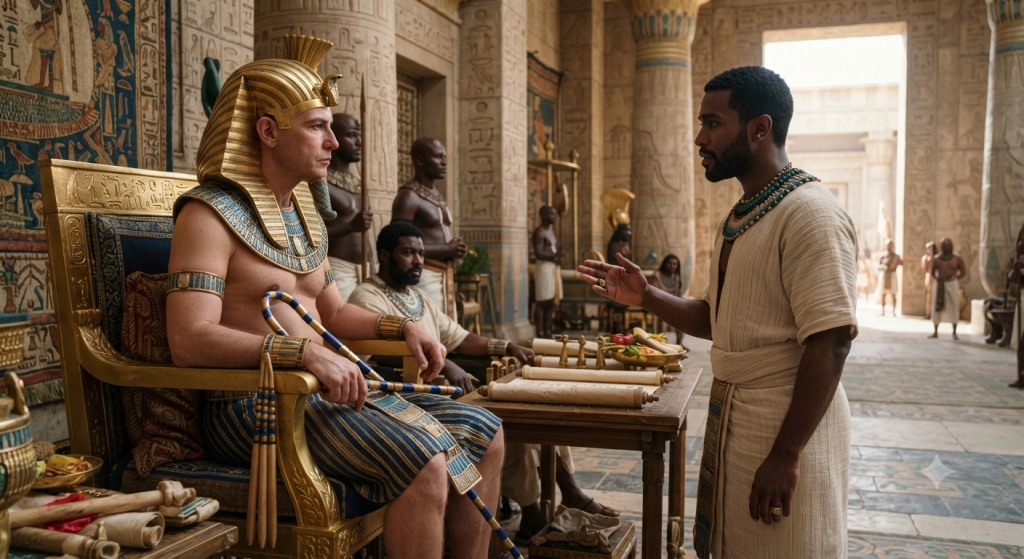
That’s the story behind everything I write about leadership, and it’s the story behind Joseph.
The Pit Before the Palace
Joseph had a dream at seventeen — his brothers, his father, even the sun and moon bowing to him. It was a true dream. It was also thirteen years too early.
Between the dream and the palace, Joseph was thrown into a pit by his own brothers, sold into slavery, falsely accused by the wife of the man who trusted him, and forgotten in a prison cell by the very person he helped. Genesis 39:2 says the Lord was with Joseph, even while he served in a stranger’s house. Not after the pit. Not after the prison. During.
Look closely at the text and you’ll notice something easy to miss: Scripture doesn’t record Joseph complaining. It doesn’t record him plotting revenge or shrinking back from responsibility because he’d been wronged. Every environment he entered — Potiphar’s house, the prison — he ended up running well, not because someone handed him authority, but because he refused to let his circumstances shrink his character.
That’s the part we skip when we tell the story. We want the dream and the palace. God gives us the dream and the process, and the process is usually longer and less glamorous than we planned for.
Why the Delay Isn’t the Denial
Here’s what I’ve learned pastoring leaders and coaching teams for over a decade: the delay is rarely punishment. It’s curriculum.
Joseph didn’t walk into Pharaoh’s palace with raw talent alone. He walked in having already run a household (Potiphar’s), already managed a prison, already interpreted dreams under pressure with nothing to gain. By the time Pharaoh called for him, Joseph had already been tested in every skill the position required. The pit and the prison were his leadership school.
Young leaders often ask me why they’re stuck — why someone with less experience got the platform they were praying for. My answer is usually the same: platforms exposed too early collapse under the weight of underdeveloped character. I have watched gifted people rise fast and fall faster, not because they lacked talent, but because their character hadn’t caught up to their calling. God is not withholding your Pharaoh moment. He is building the leader who can survive it.
The Danger of Comparing Your Pit to Someone Else’s Palace
One of the fastest ways to sabotage your own preparation season is to spend it measuring your pit against another person’s palace. Joseph had eleven brothers. If he had spent his years in Potiphar’s house resenting the ones who sold him, or comparing his slavery to their freedom, he would have entered his promotion bitter instead of ready.
Comparison doesn’t just steal your joy — it steals your readiness. Every hour you spend resenting someone else’s timeline is an hour you didn’t spend building the skill, character, or discipline your own promotion will require. Run your race. Pharaoh is not calling for anyone else’s household manager. He’s calling for you.
Three Signs You’re in a Pharaoh-Moment Season
1. You’re serving in obscurity, not visibility. Joseph ran Potiphar’s house well before anyone in a palace knew his name. Genesis 39:3 says Potiphar saw that the Lord was with Joseph and that the Lord gave him success in everything he did — but that recognition came from an Egyptian official’s household, not from a throne room. If you’re doing excellent work where no one important is watching, that’s not wasted. That’s training your integrity for when everyone will be watching.
2. You’re being tested with false accusation or misunderstanding. Joseph was falsely accused by Potiphar’s wife and did nothing to defend a reputation he didn’t damage. He could have grown cynical, guarded, or self-protective. Instead, Scripture shows him walking straight into the next assignment with the same excellence. Leaders in preparation often face seasons where they’re misjudged, overlooked, or blamed for things outside their control. How you respond — with bitterness or with integrity — is part of the test, and it’s often the part that decides whether you’re ready for what’s next.
3. You’re interpreting other people’s crises before your own breakthrough. Joseph served the cupbearer and the baker in prison — solving problems that weren’t his, with no promise of reward — before Pharaoh ever called him. He didn’t know that interpreting two forgotten men’s dreams would eventually be the very thing that got him remembered two years later. If you find yourself helping others get their breakthrough while you’re still waiting on yours, take note. That’s often the final stage before the door opens — even when it doesn’t feel like progress at all.
What This Means for You
If you’re leading a team, a ministry, a business, or a home and you feel like your moment is delayed, don’t confuse the pit for the end of the story. Genesis 41:14 says Pharaoh sent for Joseph and they brought him quickly from the dungeon, and Joseph shaved, changed his clothes, and came before Pharaoh — one verse, and everything changed. Thirteen years of preparation, and a single day of promotion.
Notice too what Joseph did with the promotion once it came. He didn’t waste it settling scores or resting on the achievement. He immediately went to work building a national strategy that would save Egypt — and eventually his own family — from a seven-year famine. The same excellence that carried him through the pit is what carried him through the palace. Preparation and promotion are not two different chapters requiring two different characters. They require the same one, tested over time.
Your Pharaoh moment is coming. The question is whether the delay will find you bitter or built — resentful of the wait, or ready for what the wait was preparing you for.
A Prayer for the Wait
Father, I thank You that You are with me even here — in the pit, in the delay, in the place that doesn’t yet look like the promise. Teach me what I need to learn in this season so that when my moment comes, I am ready to steward it well. Give me Joseph’s integrity in obscurity and Joseph’s excellence under pressure. In Jesus’ name, Amen.
Your Next Step
This is the exact framework I unpack in Preparing for Your Pharaoh Moment — practical steps for turning your waiting season into your greatest asset as a leader. [ visit www.dominionmotivators.org to purchase]
If this spoke to you, I’d love to have you in the Dominion Motivators community, where we’re building leaders one season at a time. click subscribe on the home page and signup to our weekly content.
